


 Hotels
 Flights
 Car Rentals
 Restaurants
 Things to Do
 Decorative Arts Collection of Rhodes





FEATURES


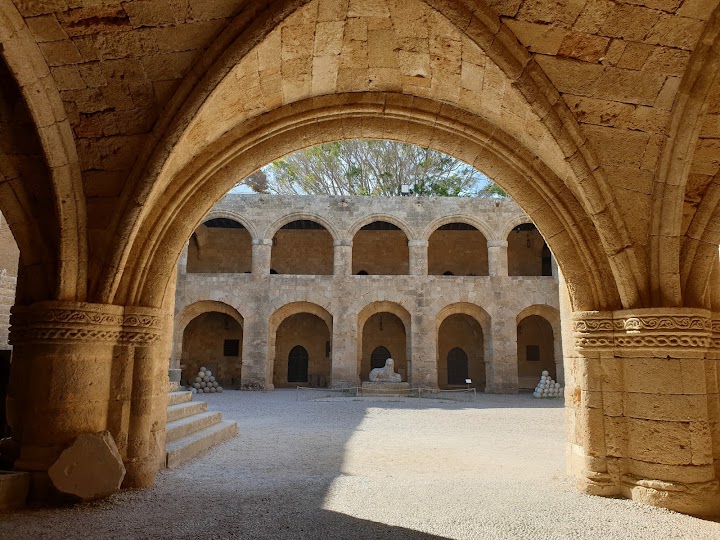
Located within the historic walls of Rhodes Island, the Decorative Arts Collection offers a small, focused insight into local craftsmanship. Found at Rhodes 851 00, Greece, this establishment functions as a museum and point of interest, primarily serving as a complement to larger attractions in the area.
Location and Access
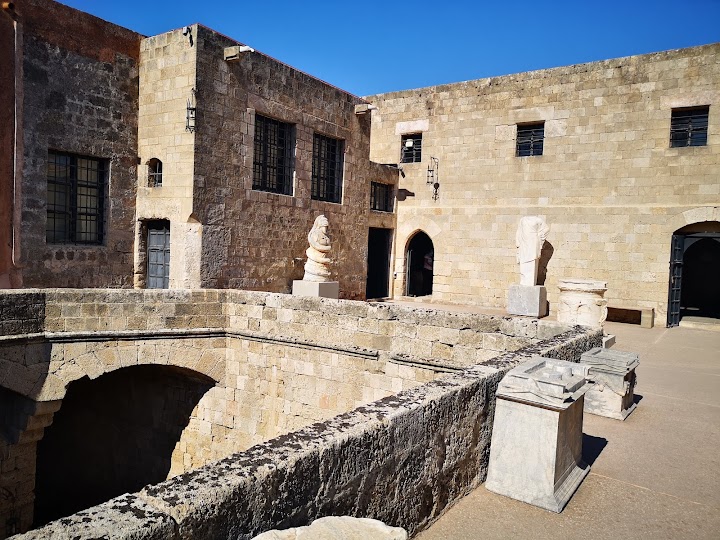
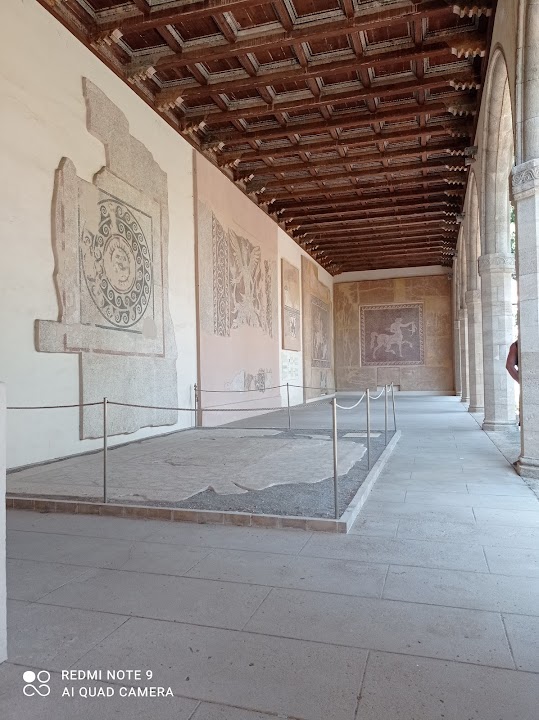
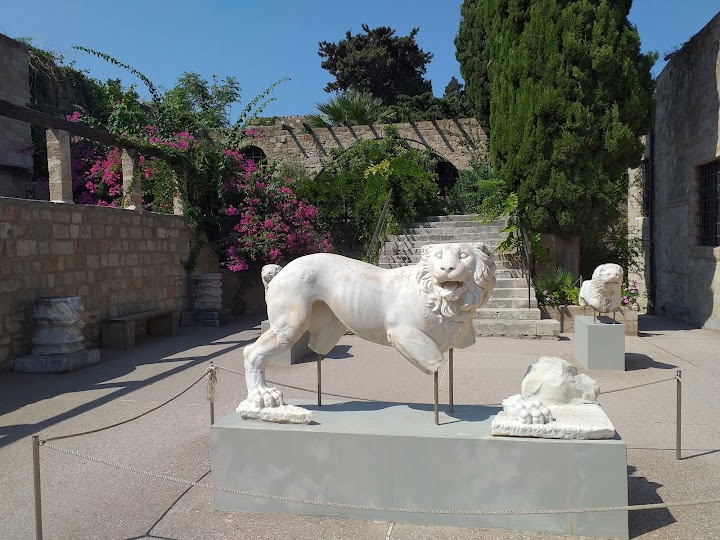
Visitors should be aware that the Decorative Arts Collection is not a standalone museum. It is most frequently accessed as part of a combined ticket, which typically includes entry to the much larger and more prominent Archaeological Museum, and sometimes also the Palace of the Grand Master. Reviews indicate that the collection is actually situated "hidden far inside the Archeological Museum," making it a convenient addition for those already exploring the main archaeological sites of Rhodes Town. It's also worth noting that online photos for this collection might sometimes be mistakenly attributed to the Archaeological Museum nearby.
The Collection and Its Contents
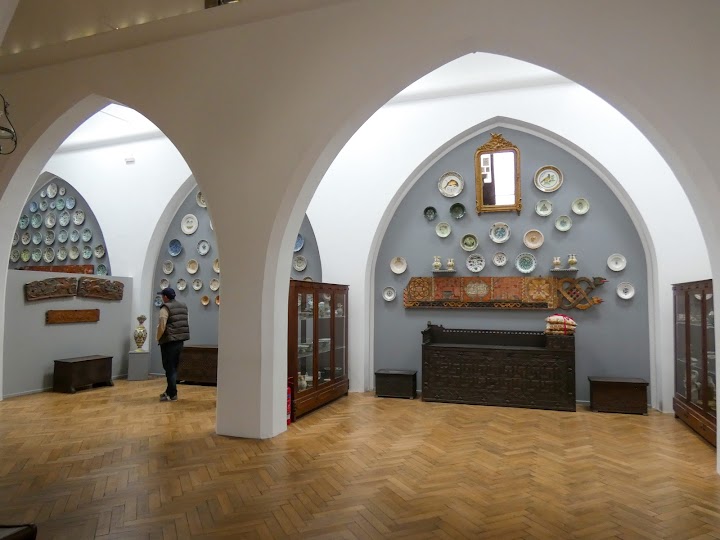
The collection itself is consistently described as "quite small," often limited to "only one room," meaning a visit is typically brief, lasting "not more than 10 minutes" for some visitors. It showcases various "decorative items," notably "patterned plates" and "chests/trunks." These pieces are reportedly from restored Ottoman houses, offering a glimpse into the domestic aesthetics of the past. While one review broadly referred to "ancient Greek art," the majority of feedback and the collection's name suggest a primary focus on applied decorative arts, particularly from the Ottoman period. The exhibits are generally considered "attractive pieces" and "wonderful decorative arts."
Visitor Experience: Information, Photography, and Staff
A significant and consistent point raised by multiple visitors is the striking lack of interpretive information about the exhibits. Reviews repeatedly mention "no number or individual info about the items" and "no information at all provided in any language," leaving visitors "knowing nothing about them." The only information reportedly available is a "sheet at the entrance." This deficiency can make it challenging to appreciate the historical or cultural context of the items on display.
Another common observation is the strict "no photo policy," which visitors found "odd" and "for no apparent reason." This policy prevents visitors from documenting the collection and sharing their experience visually.
Regarding staff interaction, experiences varied. While one visitor felt "basically followed around the whole time," another found the staff "very friendly & answered several of our questions in an enthusiastic way about the art," describing them as "very knowledgeable." This suggests that proactively engaging with staff might be necessary to gain deeper insights into the exhibits.
Value and Recommendation
Given its small size and limited individual information, the Decorative Arts Collection is largely seen as "worth popping into if you have the combination ticket." Visitors emphasized that it represents "excellent value at €10" when bundled with other major attractions, such as the Archaeological Museum. It's best viewed as a brief extension of a visit to the Archaeological Museum, offering a quick visual appreciation of historical decorative arts, rather than a standalone destination for in-depth art history.

Only one room, no number or individual info aboat the items and no photo policy for no apparent reason. This makes it hard to make the visit last for more than 10 minutes. The only info was the sheet at the entrance that I show. Notice that nearly all photos posted here and many reviews are from the Archeological Museum nearby.The collection is available with the combined ticket that also gives access to the Archeological Museum. Hidden far inside the Archeological Museum is restored an ottoman house. The house is quite empty and decorative items from such homes are found in this Decorative Arts Collection. Vistiting both museums is adviced.

Worth popping into if you have the combination ticket. It's quite small with lots of patterned plates and a few chests/trunks. They looked interesting but unfortunately we left knowing nothing about them as there was no information at all provided in any language, even to highlight what century they were from. You're not allowed to take pictures which seemed odd, and we were the only ones there but the member of staff basically followed us around the whole time to keep an eye on us, which was more odd.

Not particularly interesting unless you like pottery. No much information on what you are seeing. It is very small but i visited as part of a combined tickets with the Palace, Archeological Museum (10 euros)


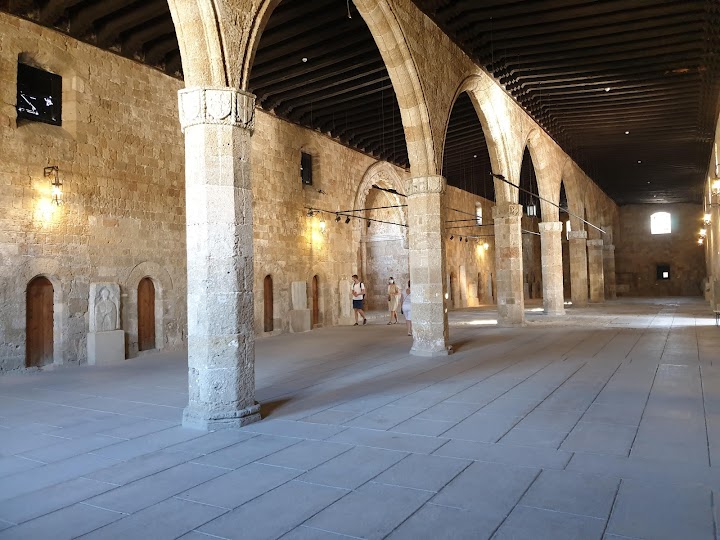
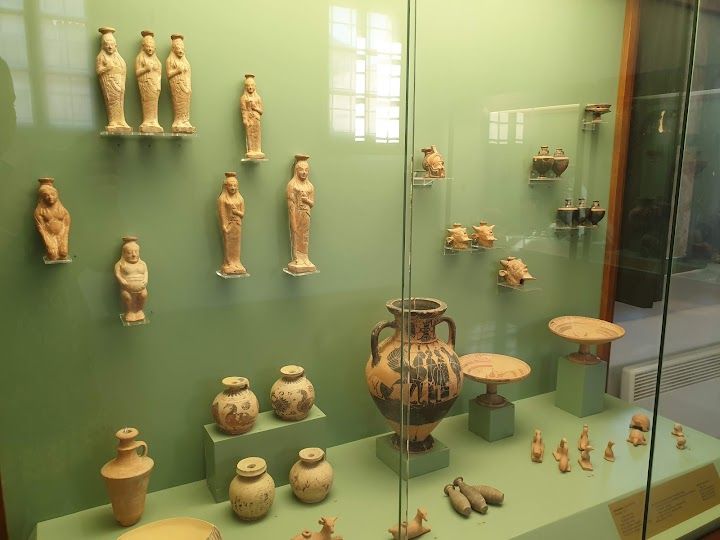
Nice museum with many ancient amphora in the former hospital of the Knights Hospitaller, not much about the Knights Hospitaller themselves though.
